
High in the mountains of Loja, Ecuador, the first edition of Heidi’s Coffee was sourced. During my travels through the region, I discovered not only exceptional coffee, but also the people, families, and stories behind it.
What stood out most was the dedication of the producers. Many of the families I met had cultivated coffee for generations, carrying knowledge and traditions that have been passed down over decades. Behind every harvest was years of hard work, resilience, and passion for producing quality coffee despite the many challenges they have faced.
The first farm I visited belonged to a highly respected family in the region of Vilcabamba. Through generations of dedication and cultivation, they became one of the first commercializers of green coffee in southern Ecuador. As their recognition grew, they were able to create jobs within their local community and invest in systems that allowed them to process, classify, and export their coffee more independently.
In another town in Loja, I met a third-generation coffee-producing family deeply involved in improving conditions for local farmers and encouraging more specialty coffee production within their community. They shared stories about collaboration between producers, the benefits and challenges of local associations, and the realities many farmers experienced when fair wages and opportunities were not distributed equally.
What I learned most from visiting these farms was that many producers had experienced disappointment. Some had been let down by international buyers, intermediaries, corruption, or unfair trade practices. One of the most common issues shared with me was how high-quality Ecuadorian coffees were often misrepresented in international markets. Producers would carefully cultivate and sell top-scoring coffee, only to later discover that their lots had been blended with lower-grade coffees without their knowledge. As a result, consumers lost trust in the consistency and quality of Ecuadorian coffee, while producers themselves lost recognition for the craftsmanship behind their work.
Yet despite these challenges, every farm I visited showed an incredible willingness to continue improving. Through years of experimentation, producers discovered which coffee varieties flourished best in their soil and climate, refined their harvesting and washing processes, and continuously shared knowledge with neighboring farmers to improve quality throughout the region.
This particular batch of coffee
represents the collective work of multiple local producers and carefully selected microlots from across Loja. Rather than coming from a single farm, this coffee is the result of neighboring producers coming together through shared knowledge, craftsmanship, and generations of experience to create a coffee that reflects the character and potential of their community.
Each producer contributed coffees cultivated at high altitudes and processed with great care, combining their efforts to produce a balanced and high-quality lot that could reach international markets with honesty and transparency.
More than simply a coffee, this batch represents perseverance, collaboration, and the determination of local farming communities who continue to believe in the value of their work despite the many challenges they have faced over the years. It is a reflection of producers working together for the opportunity to be represented fairly, recognized for their quality, and connected directly with consumers around the world.
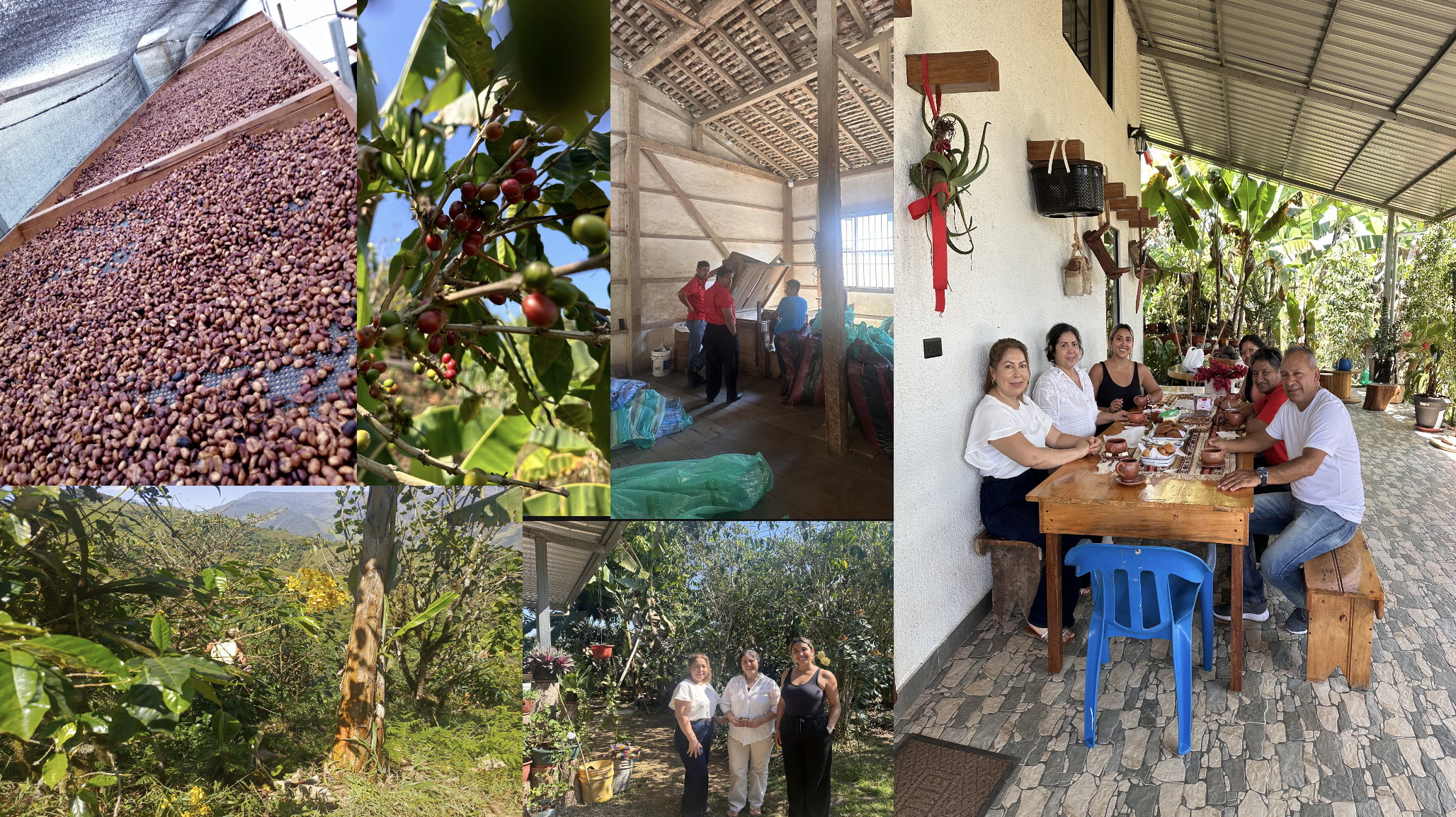
Meet The People Behind Your Cup & The Journey.
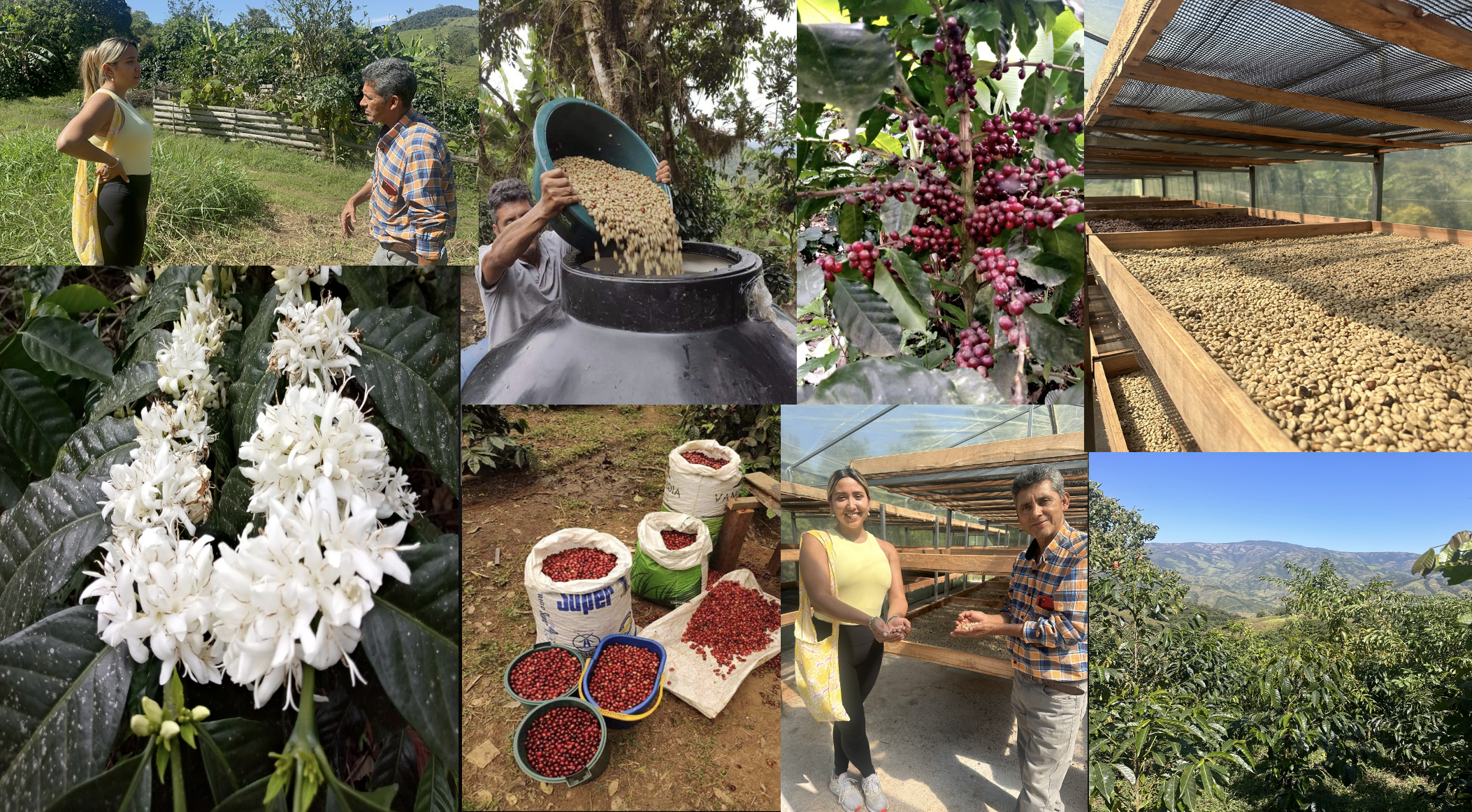
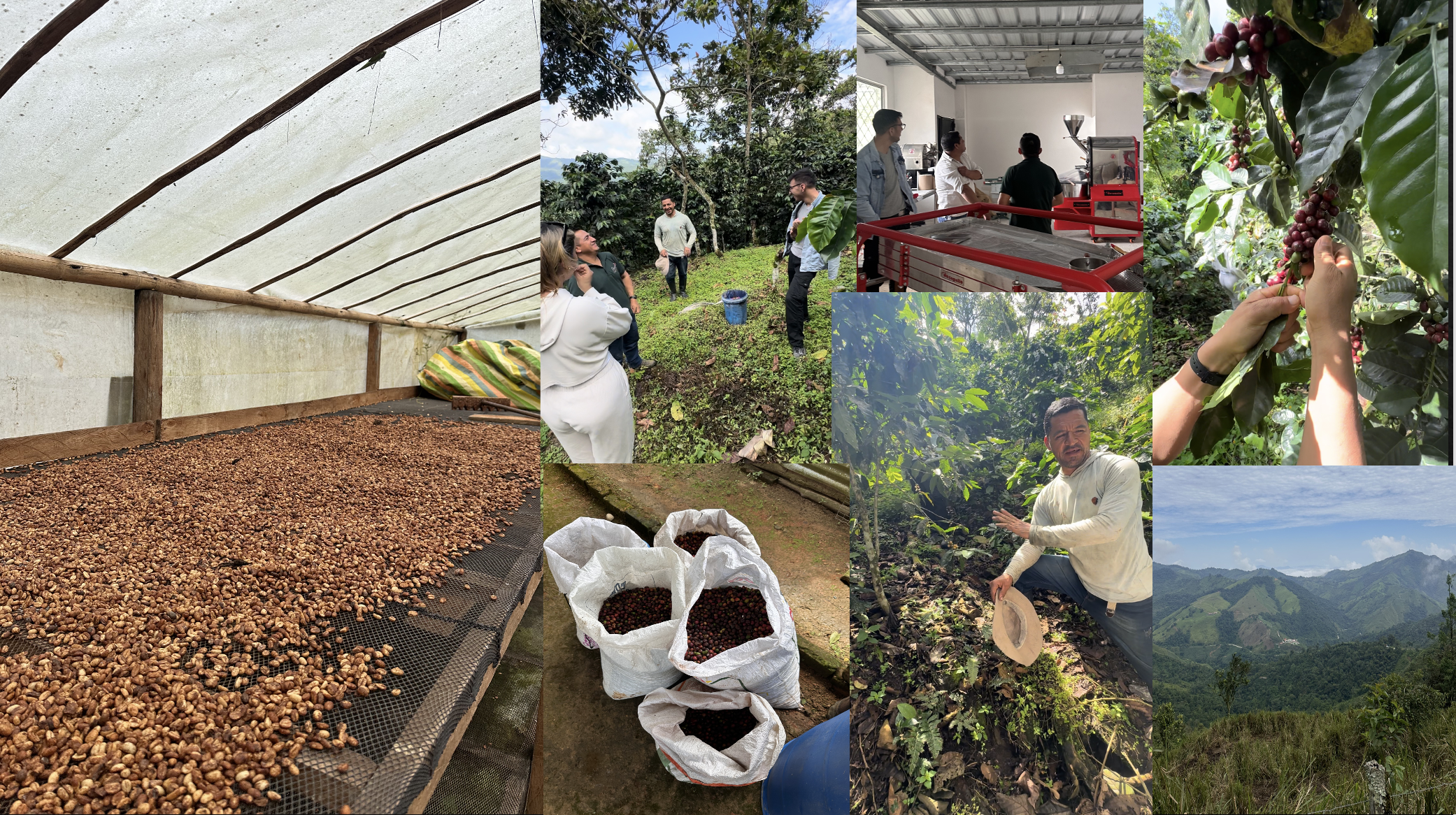
Why This Coffee Matters
This coffee represents a step in the right direction for the future of Ecuadorian coffee and its journey into new markets.
Heidi's Coffee is more than great coffee—it is the taste, story, and experience of what can happen when honesty, transparency, and direct relationships are placed at the center of the supply chain. By working closely with producers and ensuring their coffee is represented fairly and truthfully, we help create a system where quality is recognized and rewarded.
When farmers receive fair value for their work, they can invest in their farms, support their families, improve their production methods, and continue producing exceptional coffee for future generations.
Every bag of Heidi's Coffee is an investment in people, opportunity, and the future of Ecuadorian coffee. Together, we are helping restore pride in Ecuadorian coffee, creating new opportunities for producers, and building a future where dedication, quality, and transparency are rewarded.